

Editorial Disclaimer: This article is for general educational purposes only. Claimifio is not a licensed insurance agent or financial advisor. Always consult a licensed professional before making any insurance or financial decisions.
Introduction: The Stress of a Denied Claim
Paying your insurance premiums is a commitment. When disaster strikes—whether it’s a sudden illness, a car accident, or home damage—you expect your insurer to have your back. But what happens when you get that dreaded letter: “Claim Denied”? It’s frustrating, confusing, and often financially devastating.
The truth is, insurance claims are denied all the time. A 2023 analysis of ACA marketplace plans found that health insurers denied nearly one in five in-network claims (KFF), indicating that denials are a common hurdle across all types of policies. You’re not alone in this fight!
This guide is designed to empower you, the policyholder. We’re going to break down the most common reasons for claim denials across health, home, and auto insurance, and give you a simple, actionable roadmap to challenge your denial and get the coverage you deserve. Let’s turn that “Denied” into “Paid.”
1. The Core Issue: Policy-Based Reasons for Claim Denial
Most denials happen because of the contract you signed. Your policy is an agreement on what the insurer will and will not cover.
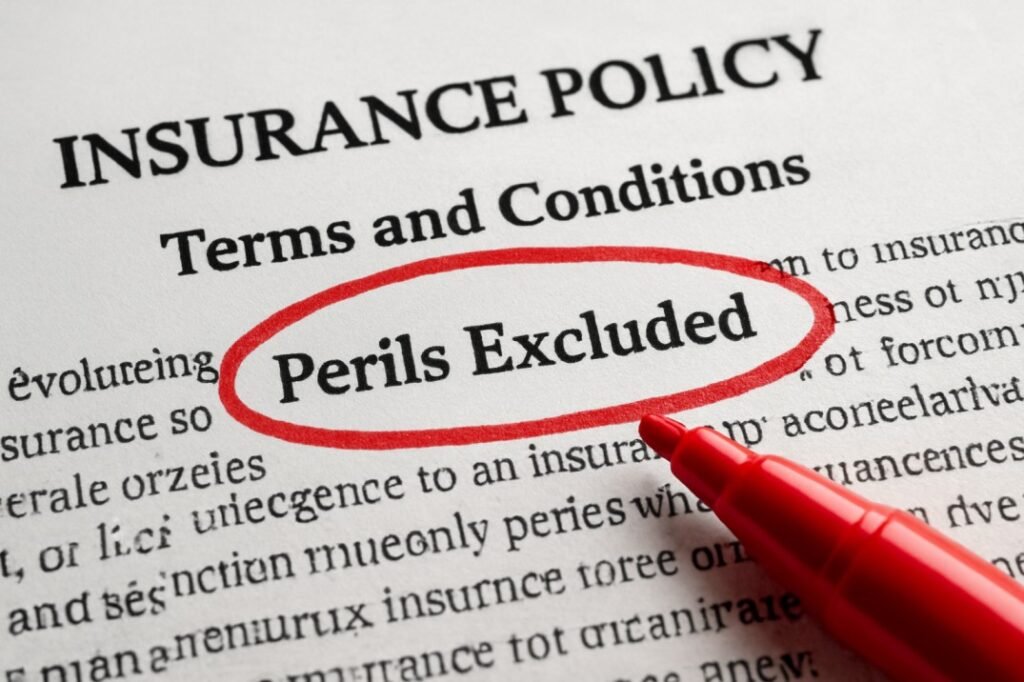
1.1. The Peril Was Excluded from Your Policy
Every insurance policy—homeowners, auto, or health—has a list of exclusions. If your loss is caused by something specifically excluded, your insurance claims will be denied.
| Policy Type | Common Exclusions |
| Homeowners | Flooding, earthquakes, mold (in many cases), pests, and lack of maintenance. |
| Auto | Wear and tear (e.g., bald tires), routine maintenance, and intentional damage. |
| Health | Cosmetic procedures, experimental treatments, off-label drug use, and services not provided by an in-network provider. |
Action Item: If you live in a high-risk area for floods, you need to purchase a separate policy through the National Flood Insurance Program. Don’t assume your standard homeowners policy covers it!
1.2. The Service Was Deemed Not “Medically Necessary”
This is a leading reason for health claim denials. Your insurer may deny coverage if they determine a treatment or drug does not meet their definition of “medical necessity.”
Insurers use their own clinical guidelines. Even if your doctor recommends a procedure, the insurer can deny the claim if their criteria are not met. The denial letter will require more robust documentation from your physician to justify the treatment.
1.3. You Hit Your Coverage Limits or Benefit Maximums
Policies have financial limits. Your claim will be denied if the repair cost or medical bill exceeds the maximum amount your insurer agreed to pay.
- Home/Auto: If your dwelling coverage is $250,000 but the rebuild costs $300,000, you are responsible for the $50,000 difference.
- Health: While ACA plans eliminated lifetime limits, they may still have annual caps on non-essential services like physical therapy or chiropractic care.
1.4. Your Policy Was Not Active at the Time of Loss
This is a basic but critical reason insurance claims get denied. If your policy was in a “lapse” (cancelled) status due to a missed premium payment, or if the loss occurred during a waiting period defined in your policy, the claim will be rejected. Always make sure your payments are up to date!
2. Avoidable Mistakes: Administrative and Timing Errors
Many denials are frustratingly avoidable—they’re due to administrative errors or missed deadlines.
2.1. Timely Filing Deadlines Were Missed
Every insurance policy has a strict deadline for reporting a loss or submitting a claim. This is called the timely filing limit.
- Health: Deadlines are tight (sometimes as little as 90 days from the date of service, depending on the plan).
- Home/Auto: You must notify your insurer “as soon as reasonably possible” after a loss.
If your provider misses this deadline, the insurer has the right to deny the claim. You must follow up with your provider to ensure claims are submitted quickly.

2.2. Billing Codes or Information Were Inaccurate
This is a massive source of Health Insurance Claim Rejection. The paperwork must be perfect. Common errors include:
- Coding Errors: The medical provider uses the wrong procedure code (CPT) or diagnosis code (ICD-10). The code used must precisely match the documented procedure and diagnosis.
- Mismatched Details: A misspelled name, incorrect date of birth, or wrong policy ID can cause an immediate denial.
2.3. You Failed to Get Required Prior Authorization
Many health plans (especially HMOs and some PPOs) require you to get pre-approval (“prior authorization”) from the insurer before certain tests, surgeries, or prescriptions.
If a service requires prior authorization and you proceed without it, your Health Insurance Claim Rejection is almost guaranteed. Always confirm with your plan before scheduling major procedures.
2.4. You Failed to Mitigate Further Loss
After an incident (like a burst pipe or a small fire), your policy requires you to take “reasonable steps” to prevent the damage from getting worse. This is called mitigating the loss.
Example: After a water leak, you must turn off the water, dry the area, and move possessions. If you fail to do this, and mold grows, the insurer may deny the mold claim because you were negligent.
3. Disputed Claims: Misconduct, Negligence, and Liability
These reasons for claim denials involve the policyholder’s actions, and they can be the most difficult to fight.
3.1. Misrepresentation or Fraud in the Application
If you provided false or incomplete information when applying for the policy, the insurer can deny the claim and potentially cancel your coverage altogether. This is called misrepresentation.
- Example: Failing to disclose a high-risk driver in the household (Auto) or lying about a previous home insurance claim history (Home).
If the insurer finds this misrepresentation was “material” (meaning it affected their decision to issue the policy or set the premium), the claim is denied.
3.2. Damage Caused by Lack of Routine Maintenance
Insurance covers sudden and accidental loss, not damage from neglect. If the damage is caused by your failure to perform routine maintenance, your claim will be denied.
- Example: Your claim for a water leak is denied because it was caused by years of ignored, cracked caulking around a window. The insurer will argue the loss was predictable, not accidental. You can find more information about this distinction from resources like the Insurance Information Institute (III).
3.3. Disagreement Over Fault or Liability
This is common in third-party auto accidents. If the other driver’s insurer determines that you were primarily at fault, they will deny your claim against their policy. In this case, you must rely on your own coverage or fight the liability finding.
3.4. Using an Out-of-Network Provider
For those with HMO or PPO health plans, using a doctor, lab, or facility that is out-of-network can be a definitive reason for a claim denial.
Always confirm a provider’s in-network status before receiving care.
4. Your Action Plan: How to Challenge a Claim Denial
A denial is not the final answer. You have the right to challenge the insurer’s decision. This is the most actionable advice we can give you!
Step 1: Read the Denial Letter Carefully
The law requires the insurer to tell you exactly why your insurance claim was denied. Your letter must state:
- The exact reasons for the claim denial.
- The specific language (section and page number) in your policy that justifies the denial.
- The steps and deadlines for filing an appeal.
Step 2: Gather Your Evidence and Build Your Case
The strength of your appeal rests entirely on documentation. Collect everything that proves the insurer’s reason for denial is wrong.
| Claim Type | Key Evidence to Gather |
| Property | Police/fire reports, repair estimates, photos/videos of the damage, and receipts for temporary repairs. |
| Health | A formal Letter of Medical Necessity from your doctor, additional medical records, test results, and a copy of your plan’s Summary of Benefits (SOB). |
Step 3: File an Internal Appeal
You must appeal directly to your insurance company first. Write a formal letter detailing why the denial was incorrect and include all your supporting documentation.
- Deadline Alert: For health claims, the deadline is typically 180 days from the denial notice, as outlined by HealthCare.gov. Do not miss this deadline!
Step 4: Seek an External Review (If the Internal Appeal Fails)
If the internal appeal is denied, you may be eligible for an External Review. This is a final, independent review conducted by a third-party organization that has no tie to the insurance company. This process often overturns insurer denials.
Contact your state’s State Department of Insurance for assistance with this process. They are your best advocate and can help ensure your rights are protected.

5. Frequently Asked Questions (FAQs) About Denied Claims
Q1: What is the most common reason health insurance claims are denied?
A: The most common technical reasons are a billing error or a claim for a service that was deemed not medically necessary by the insurer.
Q2: How long does an insurance company have to deny a claim?
A: This depends on the state and policy. For non-urgent health claims, it is usually within 30 days of receiving the claim. For property claims, it can be 15 to 60 days after receiving a fully documented claim.
Q3: If my claim is denied, do I still have to pay the bill?
A: Yes, the financial responsibility reverts to you. However, do not pay until you have exhausted the appeals process. If you win the appeal, the insurer pays. If you lose the final appeal, you must pay.
Q4: Can an insurance company deny a claim due to a pre-existing condition?
A: For individual and group market major medical health insurance (ACA-compliant plans), an insurer cannot deny coverage based on a pre-existing condition. This only typically applies to non-ACA plans (like long-term disability) or if you misrepresented your health status on the application.
Q5: Will my premium go up if I file a claim that gets denied?
A: Generally, no. Premium increases are usually based on paid claims and risk factors. A denied claim, especially one based on a technicality, typically does not count against your claims history.
Q6: Should I hire an attorney for a denied claim?
A: For large, complex denials (e.g., a total home loss or a high-cost medical denial), consulting an attorney specializing in insurance law is highly recommended. For simple administrative errors, an appeal is usually sufficient.
Conclusion: Don’t Give Up—You Have the Power!
Dealing with a denied insurance claim is stressful, but it’s a battle you can often win. By understanding the specific reasons for claim denials, meticulously documenting everything, and diligently pursuing the appeals process, you dramatically increase your chances of a successful outcome.

Written by Imran Khan
Founder & Lead Content Specialist, Claimifio
Imran Khan is the founder of Claimifio, an independent insurance education publication helping everyday renters, homeowners, and expats understand their coverage rights and claims processes. With a background spanning 8+ years in digital publishing and content research, Imran has spent the last several years studying insurance policy language, policyholder rights, and the gaps between what people think their policy covers — and what it actually pays out. Every guide on Claimifio is researched from primary sources including the Insurance Information Institute, NAIC, and official policy documentation, and written in plain English so you can take action with confidence. Claimifio is an independent educational resource. We are not a licensed insurance agent, broker, or financial advisor. Always consult a licensed professional for advice specific to your situation.
Important Disclaimer: The content on Claimifio.com is for general educational and informational purposes only. We are not licensed insurance agents, brokers, or financial advisors. Nothing here constitutes professional insurance or financial advice. Insurance laws, rates, and requirements vary by state and country. Always consult a licensed insurance professional before making any policy decisions.