
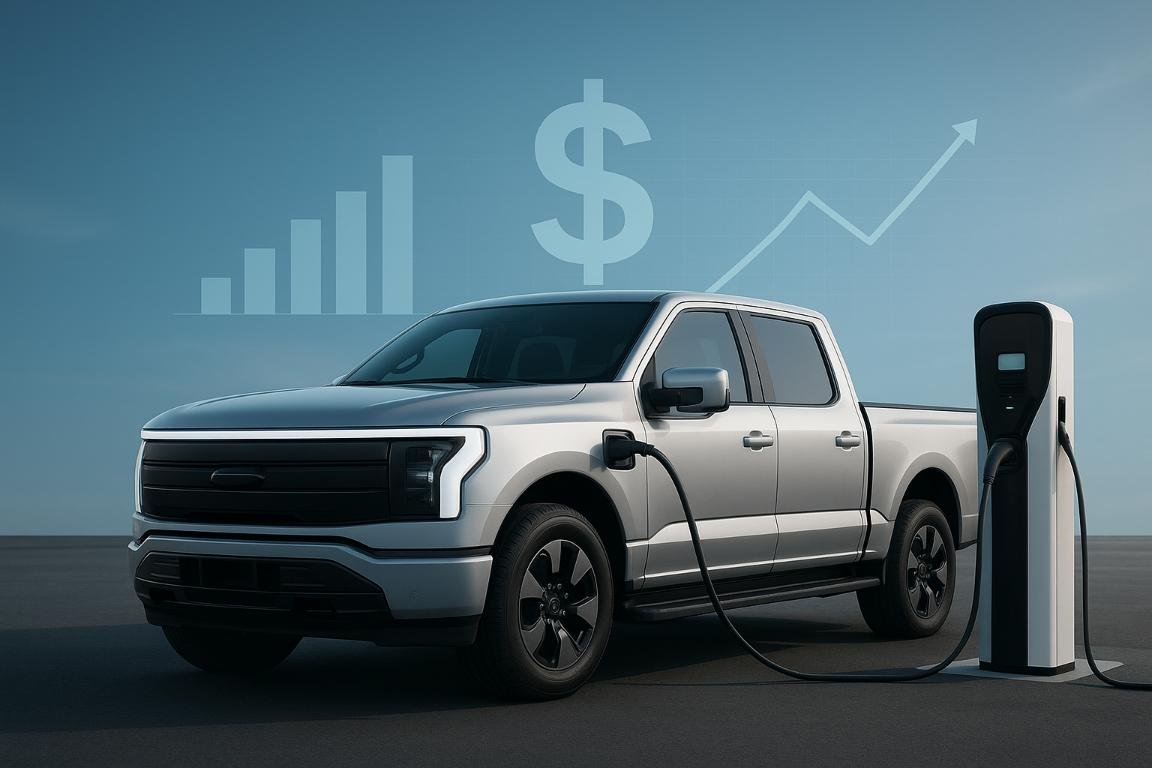
Charging Ahead: Navigating Car Insurance for Electric Vehicles (EVs)
The hum of an electric vehicle (EV) is becoming an increasingly common sound on American roads. With advancements in technology, growing charging infrastructure, and a global push for sustainability, EVs are no longer a niche curiosity – they’re the future of driving. But as more US drivers make the switch from gasoline to electric, a crucial question arises: How does Car Insurance for Electric Vehicles (EVs) differ, and what can you expect to pay?
It’s tempting to assume that greener cars automatically mean cheaper insurance. While EVs offer unique benefits, their insurance profiles come with their own set of considerations that can influence premiums. Factors like advanced technology, specialized repairs, and potentially higher sticker prices play a significant role in determining EV car insurance costs.
This ultimate guide will electrify your understanding of Car Insurance for Electric Vehicles (EVs) in the USA. We’ll explore the unique factors that impact EV insurance costs, debunk common myths, provide insights into specific models like Tesla insurance cost, and equip you with strategies for finding cheaper EV insurance that keeps you protected on your sustainable journey.
1. The Electrifying Truth: Why EV Insurance Can Be Different
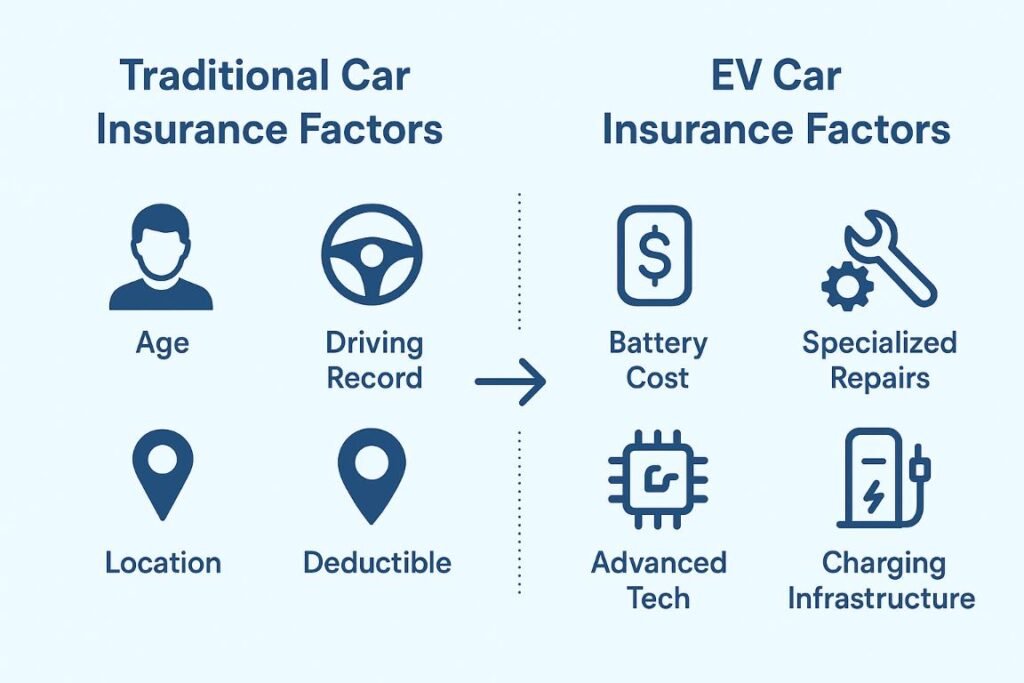
While much of traditional auto insurance (like liability and deductibles) remains the same, Car Insurance for Electric Vehicles (EVs) has distinct characteristics that influence premiums. Insurers consider several unique aspects when underwriting an EV policy:
- Higher Purchase Price: EVs, particularly newer models, often have a higher upfront sticker price than comparable gasoline-powered vehicles. This directly translates to higher potential replacement costs for insurers, thus impacting comprehensive and collision premiums.
- Specialized Parts & Repairs: EVs use advanced battery packs, sophisticated electrical systems, and often proprietary components. Repairs, especially after an accident, can require specialized technicians, equipment, and parts, which can be more expensive and time-consuming than for internal combustion engine (ICE) vehicles.
- Example: Battery replacement after a major impact can be a significant cost.
- Performance & Torque: Many EVs boast impressive acceleration and torque, which some insurers might perceive as a higher accident risk, especially for models known for their performance.
- Theft Risk (for certain models): While not universally higher, some high-end EV models might be more attractive to thieves, influencing comprehensive rates.
- Safety Features: Conversely, many EVs come equipped with advanced driver-assistance systems (ADAS) and high crash-test ratings, which can act as a mitigating factor, potentially leading to cheaper EV insurance for certain aspects.
2. Unpacking the Factors: What Drives EV Car Insurance Costs
Beyond the general EV characteristics, several familiar and new factors specifically influence your electric vehicle insurance premiums:
A. Vehicle-Specific Factors
- Make and Model: A Tesla Model S will generally cost more to insure than a Nissan Leaf or a Chevrolet Bolt, due to differences in price, performance, and repair complexity. This is why Tesla insurance cost is a frequently searched topic.
- Battery Type and Size: The cost of the battery is a major component of the EV’s value. Larger, more advanced batteries contribute to higher repair/replacement costs.
- Availability of Parts: If specific EV parts are harder to source or take longer to ship, repair costs (and thus premiums) can increase.
- Safety Ratings & ADAS: Vehicles with high safety ratings and advanced driver-assistance systems (like automatic emergency braking, lane-keeping assist) can qualify for discounts.
B. Driver-Specific Factors (Same as ICE Cars)
These remain consistent regardless of vehicle type:
- Driving Record: Clean driving records (no accidents, no tickets) lead to lower premiums.
- Age and Experience: Younger, less experienced drivers typically pay more.
- Location: Urban areas generally have higher rates due to higher theft, vandalism, and accident risks.
- Credit Score: In most states, your credit-based insurance score influences your premiums.
- Deductibles: Higher deductibles on comprehensive and collision coverage lead to lower premiums.
Understanding how deductibles impact your premiums is crucial for any vehicle, especially an EV. Get the full breakdown in our guide: Understanding Car Insurance Deductibles: How to Save Money & Manage Risk.
3. Tesla Insurance Cost: A Closer Look
Tesla vehicles are often at the forefront of the Car Insurance for Electric Vehicles (EVs) discussion due to their high performance, advanced technology, and integrated software features. The Tesla insurance cost can be higher than many comparable luxury ICE vehicles for several reasons:
- High Repair Costs: Tesla’s aluminum body panels, unique structural components, and integrated software systems often require specialized repair facilities and can be expensive to fix.
- Advanced Technology: Features like Autopilot, Full Self-Driving (FSD), and advanced sensors are costly to repair or replace if damaged.
- Performance: The rapid acceleration capabilities of many Tesla models can be a factor in higher rates for some insurers.
- Tesla’s Own Insurance: Tesla itself offers insurance in some states (e.g., California, Texas, Arizona, Illinois, Ohio). This “real-time insurance” often uses actual driving data (speeding, hard braking, safe following distance) collected directly from the vehicle to adjust premiums, potentially offering cheaper EV insurance for very safe drivers.
4. Strategies for Cheaper EV Insurance
Despite some of the unique cost factors, there are concrete steps you can take to find cheaper EV insurance:
- Shop Around Extensively: Do not settle for the first quote. Get multiple quotes from various national and local insurers. Each company assesses risk differently, especially for new technologies like EVs.
- Ask for EV-Specific Discounts: Some insurers offer “green vehicle” discounts or special rates for EVs. Always ask!
- Utilize Telematics Programs: Many insurers offer usage-based insurance programs (plug-in devices or mobile apps) that monitor your driving habits. Safe driving can lead to significant discounts. Tesla’s own insurance is a prime example of this.
- Bundle Your Policies: Combining your EV car insurance with your homeowner’s, renter’s, or life insurance can lead to substantial multi-policy discounts.
- Increase Your Deductibles: If you have adequate emergency savings, opting for a higher deductible on your comprehensive and collision coverage will lower your annual premiums.
- Maintain a Clean Driving Record: This is universally the most impactful way to keep any auto insurance premium down. Avoid accidents and traffic violations.
- Choose the Right Model: If you’re still in the market, consider that some EV models (e.g., smaller, less performance-oriented, or those with more widely available parts) may have lower insurance costs than high-performance luxury models.
- Install a Charging Station at Home: While not a direct insurance discount, having a secure, dedicated charging station at home (rather than relying on public charging in potentially higher-risk areas) can subtly contribute to an insurer viewing you as a lower risk.
5. What Else US Drivers Need to Know About EV Insurance
- Charging Equipment Coverage: Clarify if your charging equipment (e.g., home wall connector) is covered under your auto policy or your homeowner’s insurance in case of damage, theft, or fire.
- Rental Car Coverage for EVs: If you have rental car reimbursement, confirm that it explicitly covers a comparable EV rental while your vehicle is being repaired, as EV rentals can sometimes be more expensive.
- Roadside Assistance: Ensure your policy’s roadside assistance covers specialized EV towing (e.g., flatbed towing) if necessary, as many EVs cannot be towed with two wheels on the ground.
- New Car Replacement/Gap Insurance: Given the higher purchase price of many EVs, consider new car replacement coverage (which pays for a brand new car of the same make/model if yours is totaled within a certain timeframe) or gap insurance if you have a loan or lease.
For general information on electric vehicles, incentives, and safety, consult the U.S. Department of Energy’s Alternative Fuels Data Center.
FAQ: Car Insurance for Electric Vehicles (EVs)
Q: Is EV insurance always more expensive than gas car insurance?
A: Not always. While EVs can have higher repair costs and purchase prices, their excellent safety ratings, advanced technology, and potential for “green” discounts can sometimes make their insurance comparable, or even cheaper EV insurance in certain situations.
Q: Does my car insurance cover my home charging station?
A: Typically, your home charging station would be covered under your homeowner’s insurance policy, not your auto insurance. However, always confirm with both your home and auto insurers.
Q: What about “range anxiety” and insurance?
A: Range anxiety doesn’t directly impact premiums. However, ensure your roadside assistance covers out-of-charge towing to a charging station if that’s a concern.
Q: Are there specific discounts for going green?
A: Some insurers offer “green vehicle” or “eco-friendly” discounts specifically for EVs or hybrid vehicles. Always ask your agent.
Q: Is Tesla insurance cost higher than other EVs?
A: Not necessarily for all models, but due to their high performance, advanced tech, and specialized repair networks, Tesla insurance cost can be on the higher end, especially for performance models. However, Tesla’s own usage-based insurance can offer significant savings for safe drivers.
Drive into the Future with Confidence: Insuring Your Electric Ride
The shift to electric vehicles is an exciting one, promising a greener, often more exhilarating driving experience. By understanding the unique factors that influence Car Insurance for Electric Vehicles (EVs), you can navigate this new terrain with confidence. From grasping why Tesla insurance cost might differ to actively seeking out cheaper EV insurance strategies, knowledge is your most powerful tool.
Don’t let insurance questions hold you back from embracing the future of mobility. With a well-chosen policy, your EV can provide both environmental benefits and robust financial protection on every journey.
Thinking about an EV? Get a free, personalized quote for EV car insurance today and ensure your electric adventure is fully protected!

Written by Imran Khan
Founder & Lead Content Specialist, Claimifio
Imran Khan brings over 8 years of experience in digital content creation and web development to Claimifio. As a Senior WordPress Developer at Zikra Infotech LLC, he has worked extensively with healthcare providers including emergency rooms, medical clinics, and specialty practices – giving him deep insight into the challenges patients and families face when navigating insurance systems.
His mission with Claimifio is simple: make insurance understandable for everyone. Every guide is researched thoroughly, written in plain English, and designed to help you take action with confidence.