
The First 60 Minutes: Your Car Accident Checklist
The moments immediately following a car accident are often confusing, stressful, and adrenaline-fueled. Whether it’s a minor fender-bender or a major collision, knowing what to do after a car accident is crucial for ensuring safety, protecting your rights, and smoothing the path for your insurance claim.
This guide provides a comprehensive, step-by-step walkthrough for US drivers, covering everything from the scene of the crash to the final insurance settlement check. By following this guide, you can confidently navigate the claims process, turning a chaotic event into an organized, manageable procedure.
Part 1: Immediate Steps at the Scene (The First Hour)
Your priority is always the safety of yourself and others. Follow these steps sequentially:
Step 1: Ensure Safety and Check for Injuries
- Check Yourself and Passengers: Immediately check for injuries. If anyone is seriously hurt, call 911 (or your local emergency number) immediately.
- Move to Safety: If your car is drivable, move it to the side of the road, shoulder, or nearby safe location. If it is not drivable, turn on your hazard lights and stay put. Do not move injured individuals unless there is an immediate, life-threatening danger (like fire).
- Stay Calm: Take a deep breath. Remaining calm will allow you to make smart, evidence-gathering decisions.
Step 2: Call the Police (Even for Minor Accidents)
In many US states, you are legally required to call the police if there are injuries, fatalities, or significant property damage (often above a threshold like $500 or $1,000).
- Get an Official Report: An official police report provides an unbiased, third-party account of the incident, which is critical for your insurance claim.
- Cooperate Fully: Provide the officer with factual details.
- Record Details: Write down the police officer’s name and badge number, and the official accident report number (or instructions on how to obtain a copy).
Step 3: Document the Scene and Gather Evidence
Your smartphone is your most valuable tool at this stage.
- Take Photos/Videos:
- Damage: Close-ups of all vehicle damage (yours and others’).
- Position: Wide shots showing the position of the vehicles, skid marks, and the surrounding environment (road signs, traffic lights).
- License Plates/Insurance: Capture the other vehicle’s license plate and the insurance/registration cards of the other driver(s).
- Collect Witness Information: Ask any eyewitnesses for their full name, phone number, and email. Their testimony can be invaluable if the other party disputes fault later.
- Write Down Details: Note the date, time, weather conditions, and how the accident happened while it’s fresh in your mind.
Step 4: Exchange Information (Be Professional, Not Apologetic)
Share and collect the following information from all drivers involved:
| Information to Exchange | Notes |
| Full Name and Contact Info | Phone number and address. |
| Driver’s License Number | Record or photograph the physical license. |
| Insurance Company & Policy Number | Critical for initiating the claim. |
| Vehicle Information | Make, model, year, color, and license plate number. |
CRITICAL WARNING: NEVER ADMIT FAULT. Even saying “I’m sorry” can be interpreted as an admission of liability by an insurance company, potentially jeopardizing your claim. Stick only to factual exchanges of information.
Step 5: Arrange for Vehicle Towing or Roadside Assistance
If your vehicle is not safe to drive, call your insurance company’s roadside assistance line (if you have it), or a reputable towing company.
- Know Your Destination: Ask the tow truck driver where the car is being taken (usually a storage lot or a preferred repair shop).
- Keep Receipts: Save all receipts for towing and immediate transportation.
Part 2: Reporting the Accident to Your Insurance (The Next 48 Hours)
Once you are home and safe, the next critical step is initiating the claim process.
Step 6: Notify Your Insurance Company
- Promptness is Key: Report the accident as soon as possible. Most policies require prompt notification.
- The First Call: Provide your insurer with the basic facts: date, time, location, the other driver’s information, and the police report number (if applicable).
- Stick to the Facts: Only give a detailed statement once you are calm and have organized your thoughts and evidence. Do not embellish or omit details.
- Get a deep understanding of the full procedure with our guide on How Car Insurance Claims Work Step-by-Step (2025 Guide).
Step 7: Seek Medical Attention
- Don’t Delay: Even if you feel fine, see a doctor or medical professional promptly. Adrenaline often masks injuries like whiplash or concussions.
- Document Everything: Medical records are essential proof for any personal injury claim. Keep meticulous records of all appointments, prescriptions, and treatment plans.
Step 8: Understand Your Claim Type
Your insurer will determine whether this is a First-Party Claim or a Third-Party Claim, which impacts the process:
- First-Party Claim: You file the claim with your own insurer (using Collision or Comprehensive coverage). This happens if you are at fault, or in “no-fault” states, or if you simply want a faster repair process.
- Third-Party Claim: You file the claim against the other driver’s insurance company (using their Liability coverage). This occurs when the other driver is clearly at fault.
Part 3: The Claims Processing Phase (The Weeks That Follow)
Step 9: The Adjuster Takes Over
- Assignment: Your insurance company will assign a claims adjuster who will be your main point of contact. They investigate the accident to determine fault (liability) and assess the damages.
- Assessment: The adjuster will review the police report, your photos, witness statements, and, if you’re claiming damage to your car, schedule a damage appraisal.
- Vehicle Repair/Total Loss:
- Repair: You will likely take your car to a repair shop. If you have Collision coverage, you pay your deductible, and the insurer pays the rest.
- Total Loss: If the cost to repair the vehicle exceeds its Actual Cash Value (ACV) minus the salvage value (as determined by your state’s laws), the vehicle is declared a total loss. The insurer pays you the ACV (minus your deductible).
Step 10: Dealing with the Other Driver’s Insurer (If Applicable)
- Be Cautious: The other driver’s insurance company (if they are at fault) will contact you. They are not your friend; they represent their client.
- Do NOT Give a Recorded Statement: You are typically only obligated to speak with your own insurance company. Giving a recorded statement to the at-fault driver’s insurer can be used against you.
- Negotiation: If you have property damage or injury claims, the adjuster will offer a settlement. Be prepared to negotiate, especially for injuries.
Step 11: Negotiating and Settlement
- Property Damage: This is usually straightforward, based on repair estimates.
- Personal Injury: This is more complex, factoring in current and future medical bills, lost wages, and pain and suffering. If you have significant injuries, consider consulting an attorney to handle the negotiation and ensure you receive fair compensation.
- Release of Liability: Once you agree to a settlement, you will sign a release form, waiving your right to any future claims related to that specific accident.
Part 4: Key USA Considerations (Fault vs. No-Fault)
The Steps After Car Accident can vary dramatically depending on your state’s insurance laws:
| State System | How Claims Start | Key Coverage |
| At-Fault (Tort) States (e.g., CA, TX) | The at-fault driver’s Liability insurance pays for the damages and injuries of the other party. | Drivers are responsible for proving the other party was negligent. |
| No-Fault States (e.g., FL, MI, NY) | Your own insurance pays for your medical expenses and lost wages up to a certain limit, regardless of who caused the accident, via Personal Injury Protection (PIP). | You can only sue the at-fault driver for severe injuries or when costs exceed PIP limits. |
Understanding the difference between the core insurance types is essential to navigating this process. See how your policies work in detail: How Car Insurance Claims Work Step-by-Step (2025 Guide).
FAQ: Car Accident Insurance Claims Process
Q: Do I have to call the police for a minor fender-bender?
A: While often not legally required for minor damage only, it is always recommended. The police report is the most valuable piece of evidence for the insurance claim process. Without it, the claim may come down to “he said/she said.”
Q: Will filing a claim always raise my rates?
A: Not necessarily. If you file a claim and are found not at fault (backed up by the police report), your rates should not increase. Comprehensive claims (e.g., hitting a deer, hail damage) are also usually viewed less harshly than at-fault collisions.
Q: What if the other driver doesn’t have insurance?
A: This is where Uninsured/Underinsured Motorist (UM/UIM) coverage comes in. If you have this coverage, you file a claim under your own policy, and your insurer handles the compensation and attempts to recover costs from the uninsured driver.
Q: How long does the claims process take?
A: Property Damage: Typically resolved within a few weeks, assuming liability is clear.
- Personal Injury: Can take months, or even a year or more, as the insurer waits for you to reach Maximum Medical Improvement (MMI) before offering a final settlement.
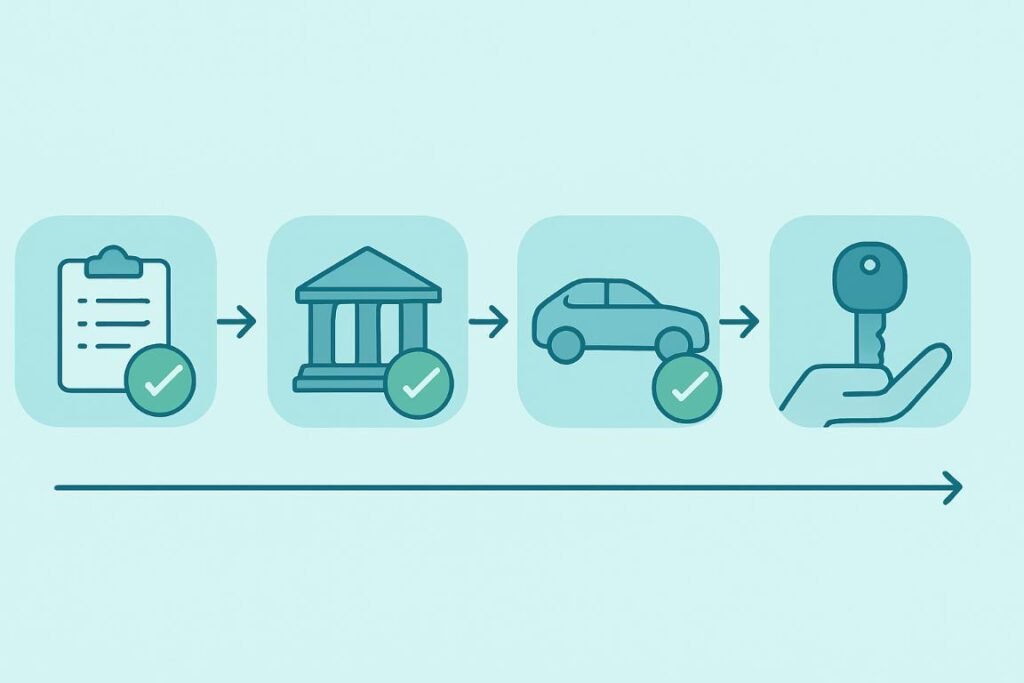
Be Prepared, Be Protected
A car accident is an unavoidable risk of driving, but confusion and financial devastation are not. By utilizing this Car Accident Checklist and understanding the predictable Car Accident Claims Process in the USA, you turn a moment of trauma into a disciplined procedure.
Remember: Safety first, document everything, and never admit fault. Knowing these steps ensures you protect your health, your vehicle, and your financial rights.
Keep this guide saved! If you need clarity on your policy details, contact your insurance agent now to review your coverage limits and deductibles, ensuring you’re prepared for the unexpected.

Written by Imran Khan
Founder & Lead Content Specialist, Claimifio
Imran Khan brings over 8 years of experience in digital content creation and web development to Claimifio. As a Senior WordPress Developer at Zikra Infotech LLC, he has worked extensively with healthcare providers including emergency rooms, medical clinics, and specialty practices – giving him deep insight into the challenges patients and families face when navigating insurance systems.
His mission with Claimifio is simple: make insurance understandable for everyone. Every guide is researched thoroughly, written in plain English, and designed to help you take action with confidence.